

History of the Society
The following information was compiled from an article by former BODS President Derrick Graham, and archive material including a Dorking Advertiser article for the 60th anniversary. There are photos and programmes for some of the early shows in the Past Productions section, but if you have other pictures or archive material then do please contact us
How it started
 The society was started in 1936 by Commander Jack Hatch and his wife Norah, and their neighbour on Pebble Hill, Rachel Rundle. The first mention of 'Betchworth Dramatic and Entertainment Society' is in publicity for a performance of Baa Baa Black Sheep in the Village Hall by The Leatherhead Players on Weds 19th February 1936, with profits being devoted to improvement of the stage and the formation of a new society. The Memorial Hall had been built in 1926, but with the opening of the A25 Betchworth bypass it was now just a few yards from the new road, accessible to Reigate and Dorking. The hall had not been built for staging plays, having just a raised platform which stopped short of the wall at one end to allow access to a kitchen at the rear.
The exact date of the inaugural meeting isn't known, but there was obviously sufficient interest to establish the society, with acting members paying annual subscriptions of 5 shillings. The first President and vice-President were Mr Tritton and Mrs DuBuisson respectively. The very first production was The Ghost Train by Arnold Ridley (better known later for playing Private Godfrey in Dad's Army) , performed on 11 & 12th December 1936, although the venue was nearby Leigh WI Hall (now Abbots Pass Hall) rather than the Memorial Hall. Judging from the programme, the society was then known simply as 'Betchworth Dramatic Society', and this appears to have continued until 1938 when the name B.O.D.S first appears.
Early Years
The second production, in 1937 was Patience, after which Gilbert & Sullivan Operas were to become an annual event together with plays, although productions were of course interrupted by the Second World War. The Society re-formed in 1946 and carried on in the same pattern as before until 1951 when the chairman came up with the idea of a one-act play competition between the local drama societies, as part of the National Festival of Community Drama. Eventually seventeen companies became involved, providing a full week of theatre and, if they had adequate facilities they, in turn, hosted the Betchworth Drama Festival. Similar festivals started all over the country and soon Betchworth became the first round in the All England Drama Festival, when the winners from each area went on to compete against each other.
Silas Marner
 Director: Alison Cooper
Musical Director: Ian Stone
Performances: 9-12 November 2016
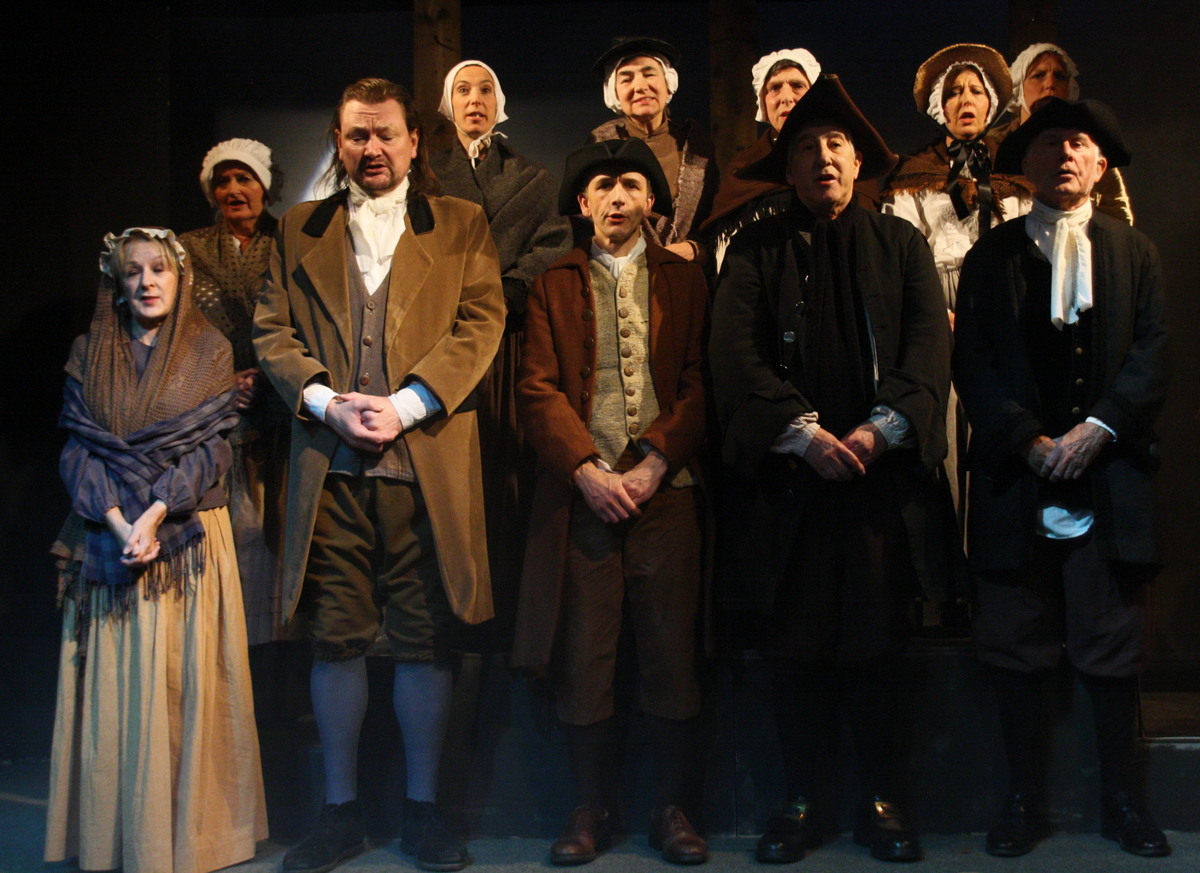
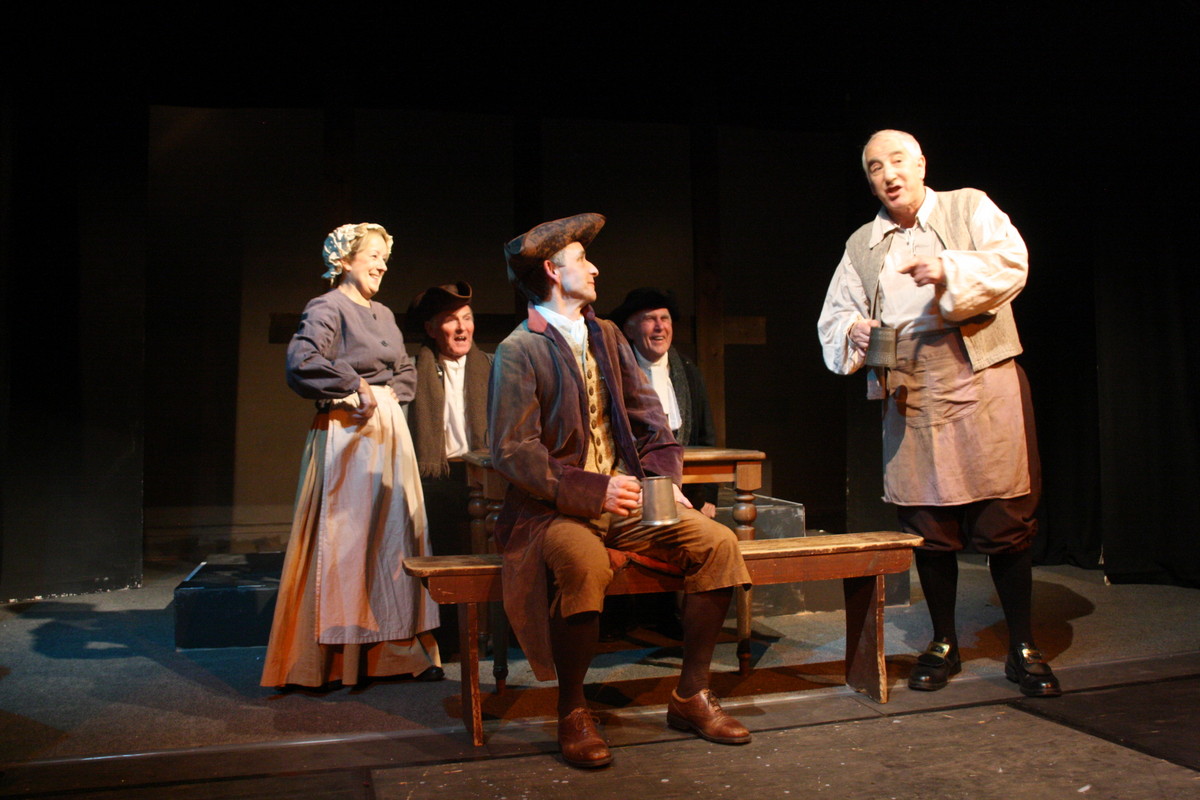
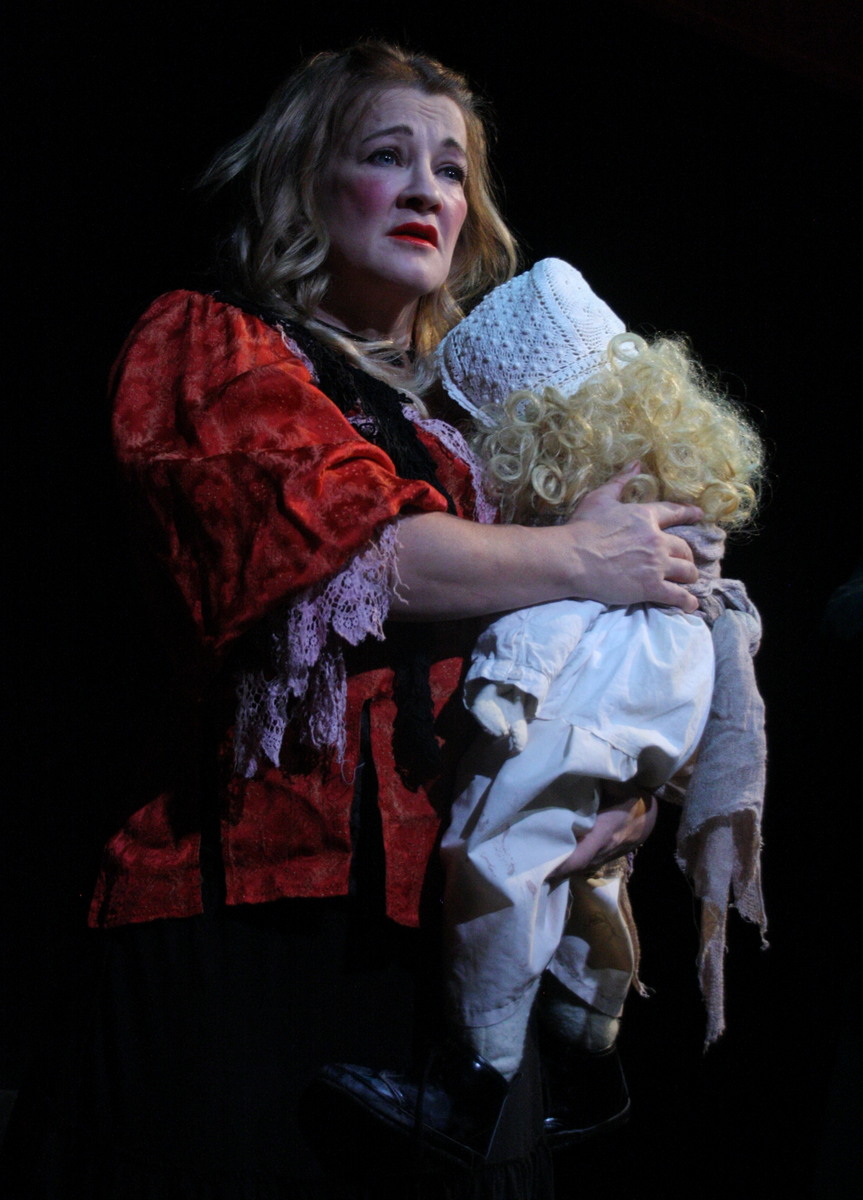
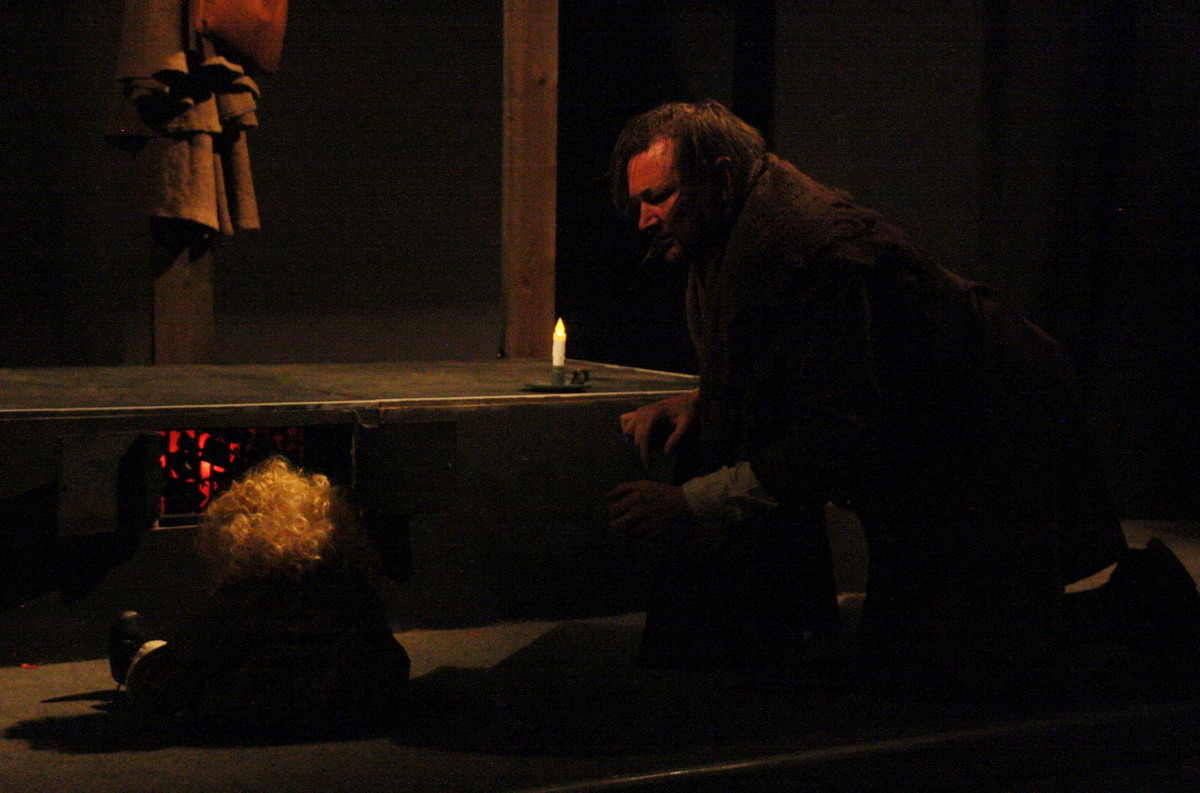
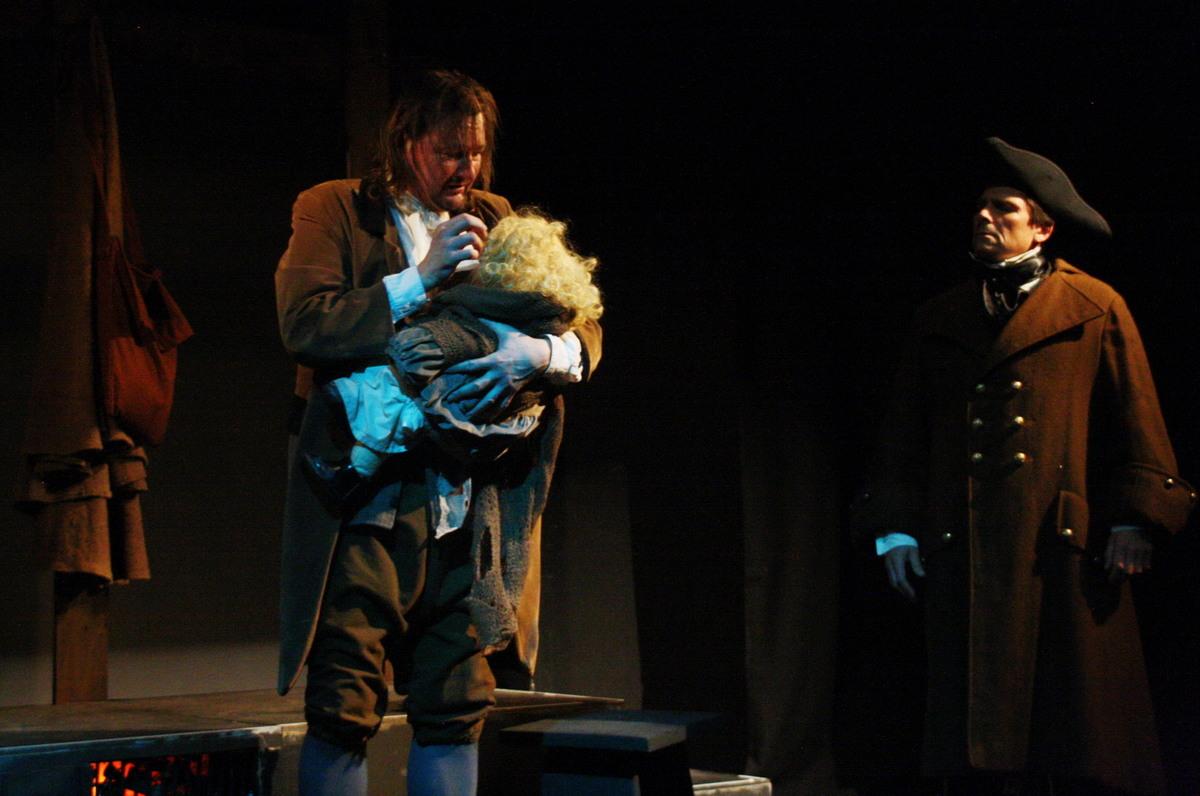
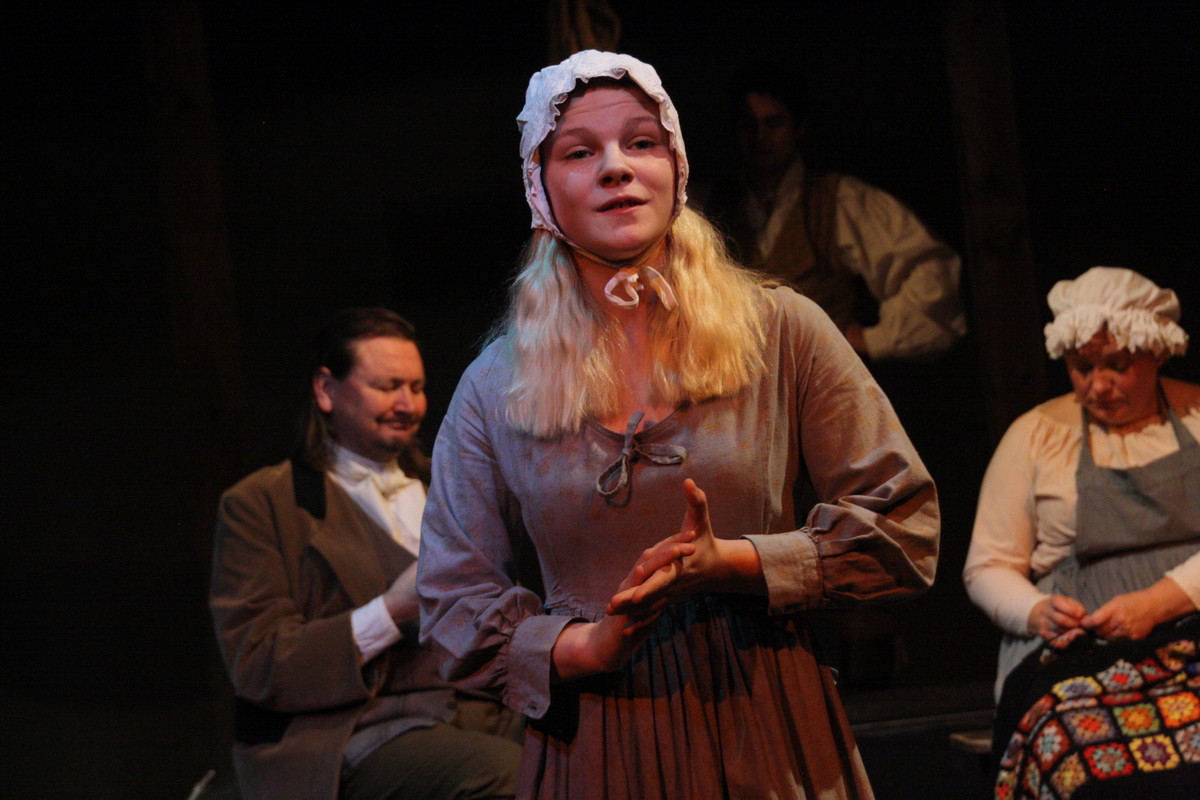
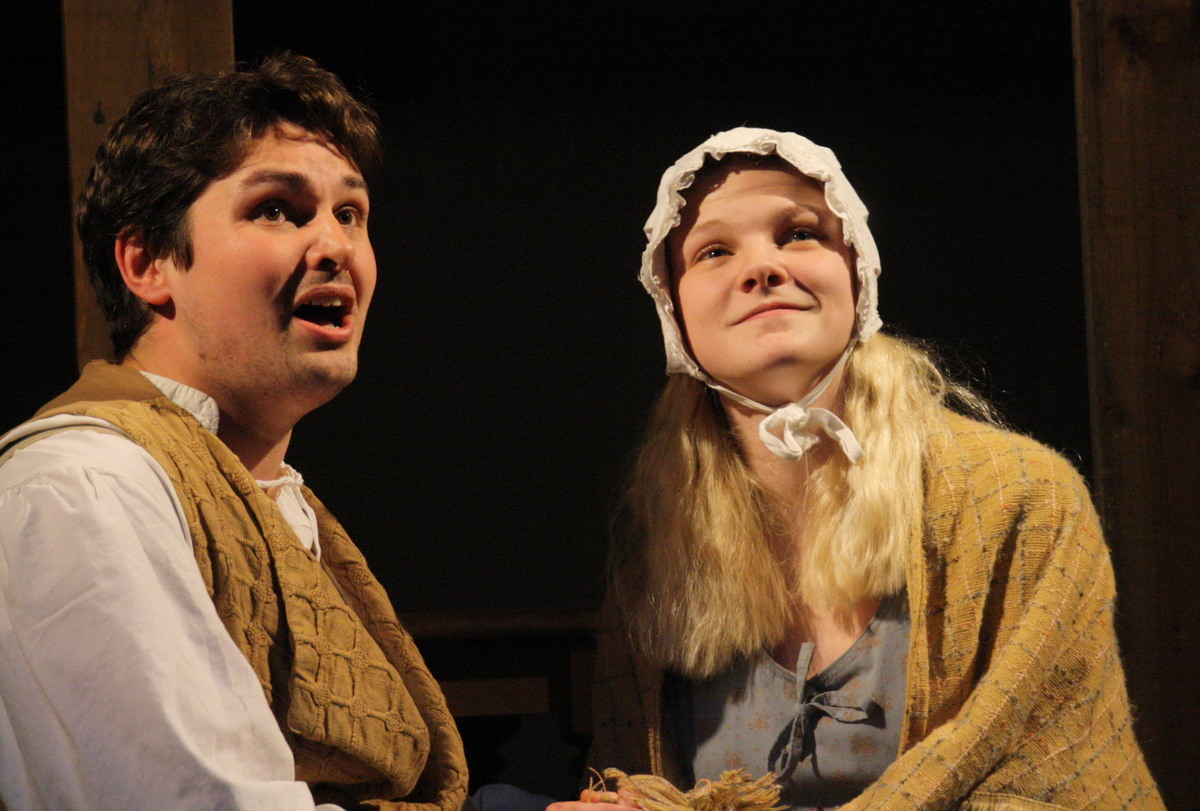
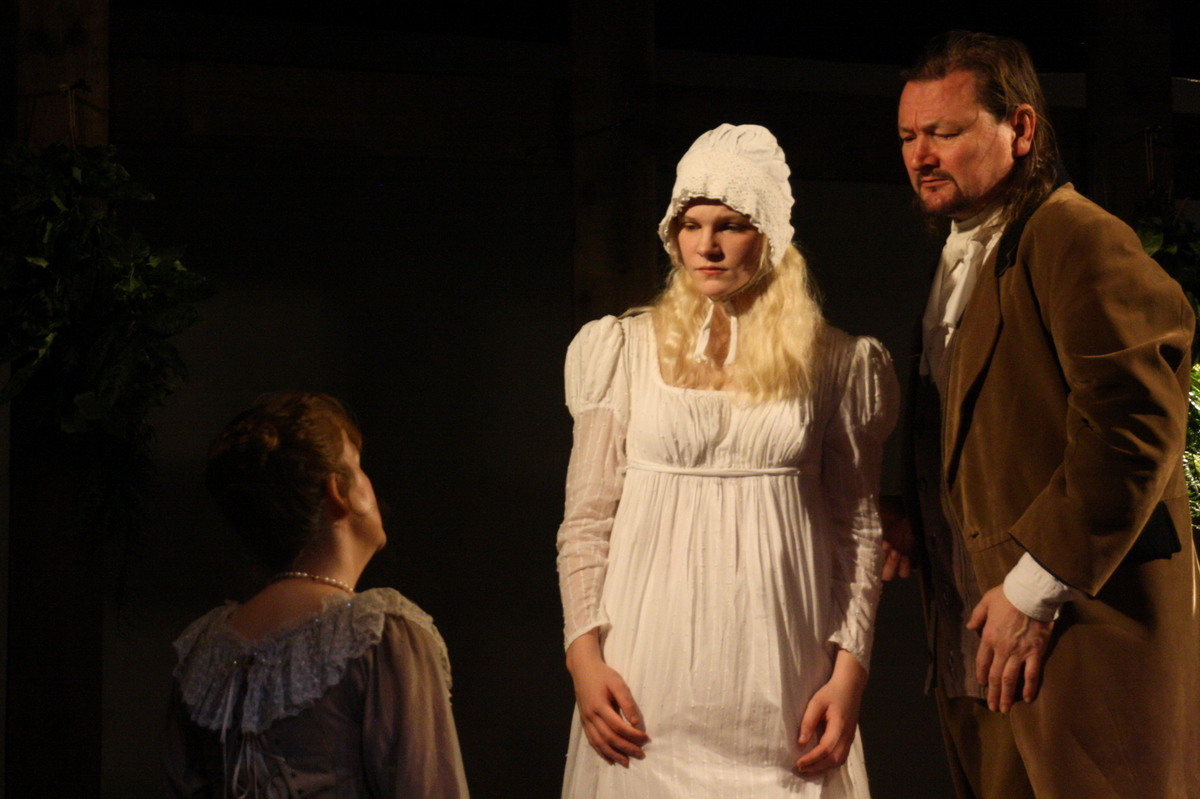
A unique new musical by Storm Productions, adapted from the original Victorian novel by George Eliot. Set in the early 19th century, it tells of the falsely accused weaver Silas, who, rejected by his fiancée and outcast by his religious fellowship, leads a solitary existence driven by his work and the accumulation of gold which becomes his only solace. The unexpected father/daughter relationship which develops between Silas and an abandoned child brings joy, friendship and respect back into his life. In the musical the story is retold in the late 19th century by a landlady and her son, to a traveller who has taken shelter at the inn.
This is a fairly dark tale but with an underlying theme of hope and redemption in a vivid portrayal of a sheltered rural community and its suspicion and mistrust of the unfamiliar.
Written by Phil Ryan and David Ford, with additional music by Denny Bertin
Cast (in order of appearance)
| Traveller | Roger Wilman |
| Tom | Stuart Finlayson |
| Landlady | Sarah Haswell |
| Silas | Peter Thomas |
| Sarah | Julie Bickerdike |
| Preacher | David Longes |
| William Dane | Stephen Tickell |
| Landlord | Colin Bousfield |
| Dunsey Cass | Julian Warner-Edney |
| Godfrey Cass | Neil Mayall |
| Molly | Lorraine Lawrence |
| Dolly Winthrop | Jane Seymour |
| Eppie | Lucie Francis |
| Nancy Lammeter | Fiona Radford |
| Aaron | Rob Richmond |
| Villagers |
John Bryant, Diana Barnsley, Jane Johnson, |
Production Team
| Sound & Lighting | David Ames |
| Set construction | Martin Allitt, Brian Cooper, Neil Mayall Stephen Tickell, Julian Warner-Edney, Neil Williams |
| Set painting | Alison and Brian Cooper |
| Costume & Props | Alison Cooper |
| Make-up | Julie Bickerdike |
| Front of House | Virginia King |
| Programme & publicity | Stephen Tickell |
| Box Office | Linda Slater |
Review by Jon Fox on behalf of NODA
Photos by Mick Mercer















Mixed Doubles
Director: Diane Mayall
Performances: 18-20 May 2016 (also excerpts at BRBAC Harlequin Arts Festival, 14 April 2016)
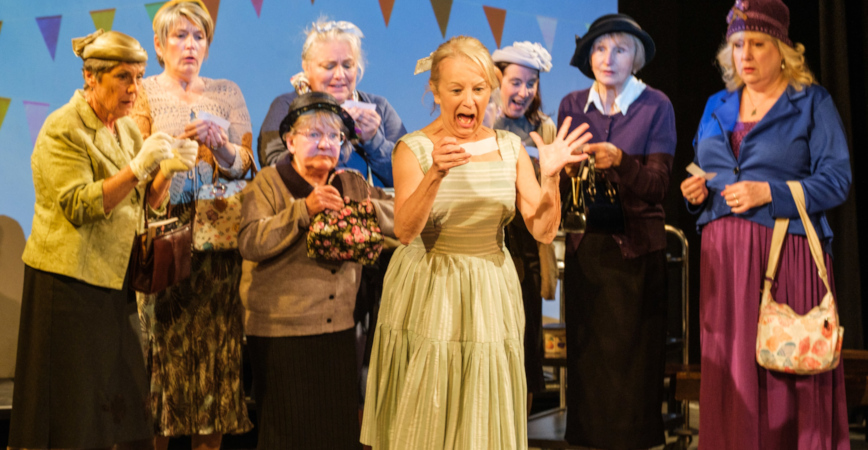
 Mixed Doubles is a compilation of short plays and monologues on the theme of marriage and relationships. It features works by accomplished authors: Alan Ayckbourn, John Bowen, Lyndon Brook, David Campton, George Melly, Alun Owen, Harold Pinter, James Saunders and Fay Weldon which are as pertinent now as when they were first performed in 1969. The sequence of plays presents a progression from a young couple just married (A Man's best friend), to an old man and woman sitting in a cemetery (Resting Place)
Cast
| The Vicar | Julian Warner-Edney | |
| Score | Sheila | Linda Slater |
| Harry | Stephen Tickell | |
| Norma | Woman | Jane Seymour |
| Man | Julian Warner-Edney | |
| Permanence | Helen | Julie Bickerdike |
| Peter | Neil Mayall | |
| Countdown | Husband | Ian Stone |
| Wife | Tracey Hulf | |
| Silver Wedding | Audrey | Jane Seymour |
| Julian | Neil Mayall | |
| Resting Place | Old Woman | Linda Slater |
| Old Man | Stephen Tickell |
Production Team
| Director | Diane Mayall |
| Sound & Lighting | David Ames |
| Costume | Alison Cooper |
| Front of House | Virginia King |
| Publicity | Stephen Tickell |
Photos by cast members


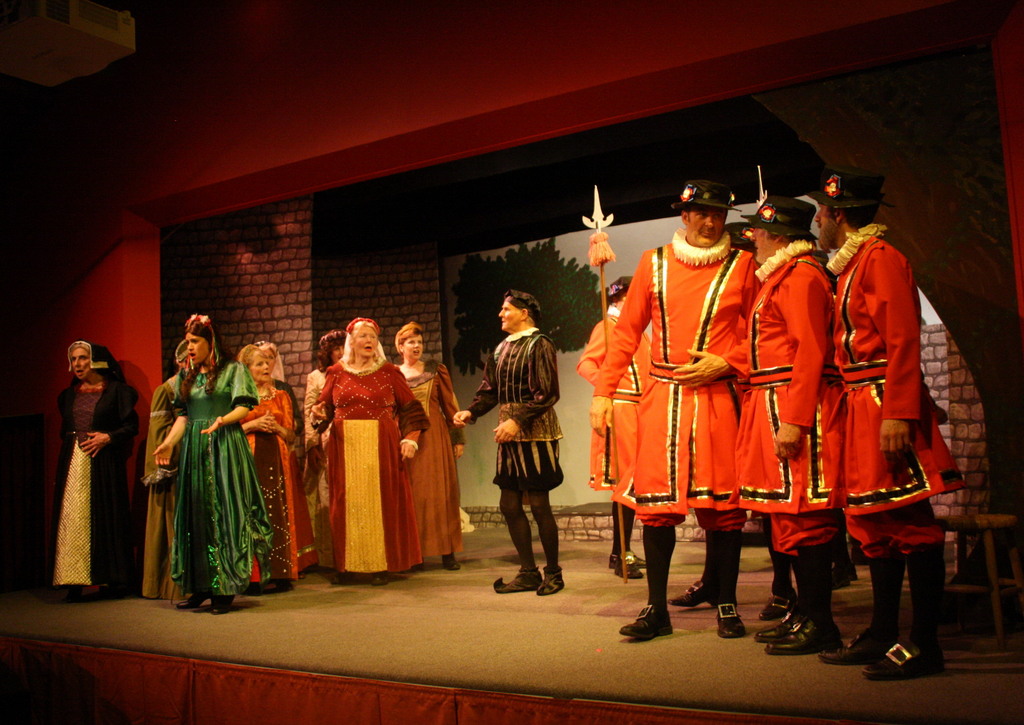
The Yeomen of the Guard
Performances 11-14 November 2015

| Director | Virginia King |
| Musical Director | Ian Stone |
| Sergeant Meryll | Trevor Allen |
| Leonard | Lloyd Walsh |
| Dame Carruthers | Brenda Judd |
| Wilfred | Colin Bousfield |
| Phoebe | Jane Johnson |
| Lieutenant | Peter Grove |
| Elsie | Selena Hegarty |
| Jack Point | David Longes |
| Fairfax | Neil Williams |
| Kate | Carolyn Burnley |
| 1st Yeoman | David Clark |
| 2nd Yeoman | Stephen Tickell |
| Yeomen | Milos Machacek, Julian Warner-Edney |
| Villagers | Pam Patch, Mary Grove, Margaret Longes, Carol Coslett |
| Stage Manager | Stephen Tickell |
| Lighting | David Ames |
| Front of House | Julie Bickerdike |
| Set Design | Gini King |
| Construction | Stephen Tickell, Julian Warner-Edney, Neil Williams |
| Painting | David Clark |
| Costumes | Gini King (Yeomen by Lois Hatt) |
| Poster design | Stephen Tickell |
| Photos | Mick Mercer |
Yeomen is perhaps the most emotionally engaging of the Savoy Operas, ending with a broken-hearted main character and two very reluctant engagements, rather than the usual numerous marriages. The libretto contains considerable humour, including many pun-laden one-liners, but Gilbert's trademark satire and topsy-turvy plot complications are subdued in comparison with the other Gilbert and Sullivan operas. The dialogue, though in prose, is quasi-Shakespearian, or early modern English, in style.
Many believe that the score is Sullivan's finest. Indeed, some enjoy Yeomen particularly because of its ever-changing emotional balance of joy and despair, love and sacrifice.
Photos by Mick Mercer